Trends in Cosmetic Labels: What’s Hot in 2025
The world of cosmetics is evolving rapidly, and one of the most fascinating shifts is happening right on the packaging — specifically, the labels. Cosmetic labels are no longer just about listing ingredients or providing basic product information. In 2025, they have become dynamic tools cosmetic labels that blend technology, sustainability, consumer engagement, and transparency to elevate the entire beauty experience. If you’re a brand, a beauty enthusiast, or just curious about where cosmetics are headed, understanding the latest trends in cosmetic labels will give you a glimpse into the future of beauty.
The Rise of Smart Labels: Technology Meets Beauty
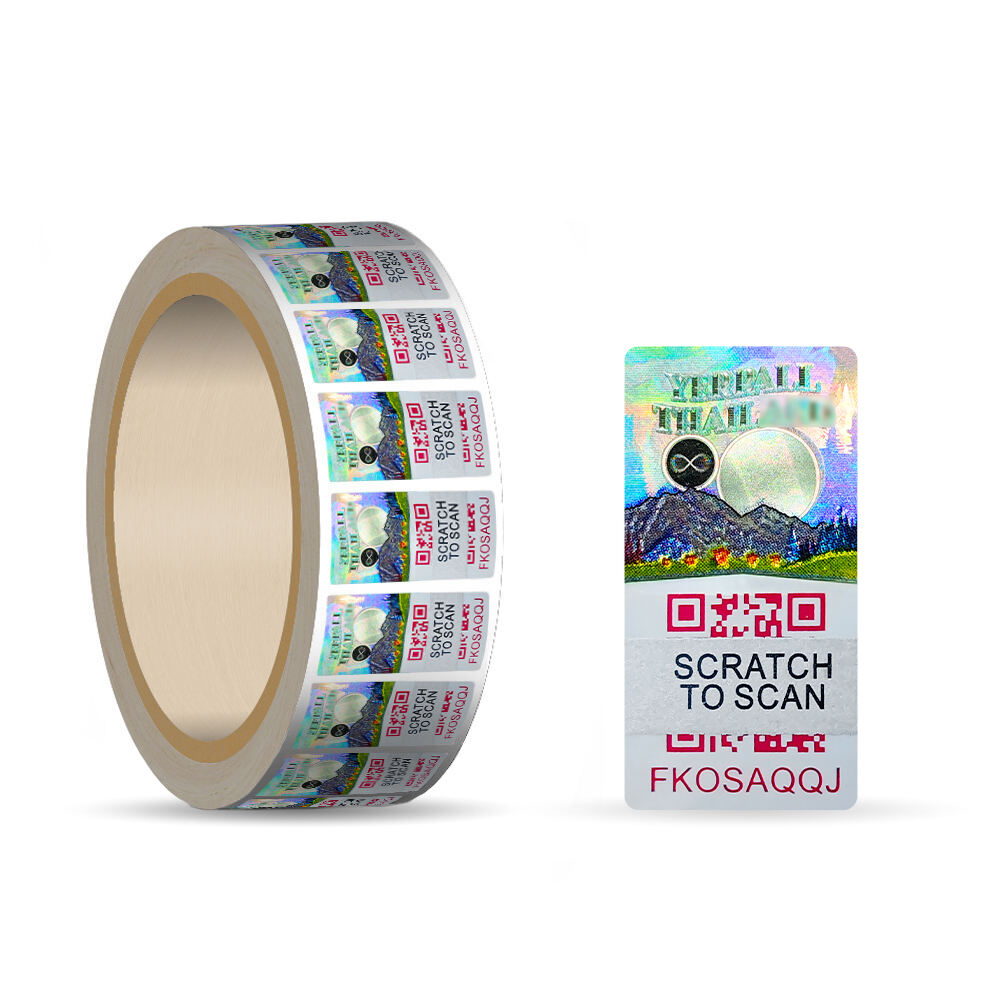
One of the biggest innovations shaking up cosmetic labels in 2025 is the integration of smart technology. Gone are the days when a label was simply printed text or an image. Today, smart labels are transforming packaging into interactive experiences.
QR codes, once just a novelty, have become a staple. Scanning a code on a lipstick or moisturizer label instantly connects consumers to detailed product information, video tutorials, customer reviews, and even augmented reality (AR) try-ons. Some brands are going a step further by embedding near-field communication (NFC) chips into their labels. This allows consumers to tap their phones on the product and access personalized skincare routines, ingredient sourcing stories, or refill reminders — all tailored to their unique profile.
This push towards smart labels isn’t just about convenience; it’s about building trust and fostering a deeper connection between brands and consumers. As shoppers become more discerning and demand transparency, technology-enabled labels meet that need in a seamless, engaging way.
Sustainability Takes Center Stage in Label Design
Sustainability continues to dominate consumer priorities in 2025, and cosmetic labels are no exception. Brands are now expected to not only produce eco-friendly products but also package them responsibly. The cosmetic label, traditionally made from plastic or coated paper, is seeing a green makeover.
Recyclable, biodegradable, and compostable label materials are trending hard this year. Innovative options like seed-embedded paper labels that consumers can plant after use, or labels printed with soy-based, water-soluble inks, are becoming mainstream. These efforts reduce waste and lessen the environmental footprint of cosmetic packaging.
Moreover, minimalism in label design is making a comeback, not just for aesthetic reasons but to minimize material use. Clear, simple labels with smaller printing areas and no excessive embellishments mean less ink, less waste, and easier recycling processes.
Transparency and Ingredient Disclosure: The Power of Honesty
Today’s beauty consumers are incredibly ingredient-savvy. They want to know exactly what they’re putting on their skin, and cosmetic labels in 2025 reflect this demand for full transparency.
Many brands are going beyond the mandatory ingredient lists and providing clear explanations of each component’s function and origin. For instance, instead of just listing “Aqua” or “Glycerin,” labels might include notes like “pure spring water” or “plant-derived moisturizing agent.” This kind of education helps consumers feel informed and empowered to make better choices.
In addition, allergen warnings and certifications like “cruelty-free,” “vegan,” or “organic” are more prominently displayed. Some labels even feature “clean beauty” badges vetted by third-party organizations, providing an extra layer of trust and assurance.
Personalized Labels: Making Every Product Unique
Personalization is a massive trend that extends beyond product formulas to packaging and labels. In 2025, cosmetic brands are leveraging data and print technology to offer labels customized to individual consumers.
Imagine buying a face cream with your name printed in elegant script on the label or a lipstick with a message specially crafted for you. Beyond aesthetics, personalized labels may include tailored usage instructions or personalized ingredient highlights based on your skin type and concerns.
This trend ties into the growing market for bespoke beauty solutions. By delivering a personalized experience right from the packaging, brands strengthen their emotional connection with consumers and enhance brand loyalty.
Minimalist and Clean Aesthetics: Beauty in Simplicity
While some cosmetic labels are becoming hyper-detailed and interactive, another parallel trend is the surge of minimalist design. Clean lines, monochromatic palettes, and simple typography dominate the aesthetic scene in 2025.
This minimalist approach is particularly popular among luxury and niche brands, where understated elegance conveys quality and sophistication. The absence of clutter allows key information, like ingredients and certifications, to stand out more effectively.
Minimalism also complements sustainability. Labels that avoid excessive ornamentation reduce ink use and printing complexity, aligning with eco-friendly values.
Bold Typography and Unique Fonts
On the flip side of minimalism, some brands are experimenting with bold typography and custom fonts that express their identity vividly. This trend adds personality and helps products stand out on crowded shelves or digital storefronts.
In 2025, we see more labels featuring hand-drawn fonts, playful letter spacing, and even kinetic typography on digital labels that can change as you interact with the product.
This trend also supports brand storytelling — the typography itself becomes part of the narrative, reflecting a brand’s mood, culture, or heritage.
Interactive and Dynamic Digital Labels
Pushing beyond QR codes and NFC chips, cosmetic labels in 2025 are beginning to embrace fully dynamic digital labeling. Using e-ink or flexible OLED displays, some high-end products feature labels that can update in real-time.
Imagine a moisturizer label that changes to show seasonal tips for your skin, or a shampoo bottle that displays freshness indicators based on product usage and environmental conditions. This innovation brings a futuristic touch to beauty, blending physical and digital experiences.
Inclusive Labeling: Reflecting Diversity and Accessibility
Inclusivity is a major theme in beauty, and cosmetic labels are evolving to reflect this value. Labels are now designed to be accessible to a wider audience, including people with visual impairments. Features such as Braille, raised tactile symbols, or high-contrast color schemes help ensure everyone can understand the product’s purpose and ingredients.
Furthermore, the language on labels is becoming more inclusive, avoiding gender stereotypes and embracing diversity in skin tones, hair types, and beauty needs.
Regulatory Compliance and Global Standards
With the cosmetic industry becoming increasingly global, labels must comply with a complex web of international regulations. In 2025, brands are investing heavily in ensuring their labels meet the highest standards in every market they serve.
This means labels must be multilingual, incorporate precise ingredient nomenclature, and display certifications aligned with various regional requirements. Technology plays a key role here, with digital labeling solutions allowing brands to update information quickly to remain compliant without reprinting physical labels.
The Future of Cosmetic Labels: What Comes Next?
Looking beyond 2025, cosmetic labels will continue to evolve in exciting ways. We can expect more integration of AI to provide ultra-personalized information on demand, labels that interact with wearables to track product use and effects, and even sustainable innovations like edible labels or zero-waste packaging that dissolves harmlessly.
As consumer expectations rise, brands that embrace these trends and innovate thoughtfully will not only stand out on shelves but also build lasting, meaningful relationships with their customers.
In Conclusion
The trends shaping cosmetic labels in 2025 are a vivid reflection of broader cultural shifts — a hunger for transparency, a commitment to sustainability, a love of personalization, and a hunger for engaging, technology-driven experiences. Whether through smart labels, sustainable materials, or bold design choices, the cosmetic label is now a crucial element in the storytelling and user experience of beauty products.
If you’re part of the beauty industry or a consumer passionate about skincare and cosmetics, keeping an eye on these labeling trends will help you navigate the exciting future of beauty with confidence and curiosity. The label is no longer just a label — it’s the face, the voice, and the bridge between brand and consumer in 2025 and beyond.